
How to Know When Your ATV Needs Professional Repairs
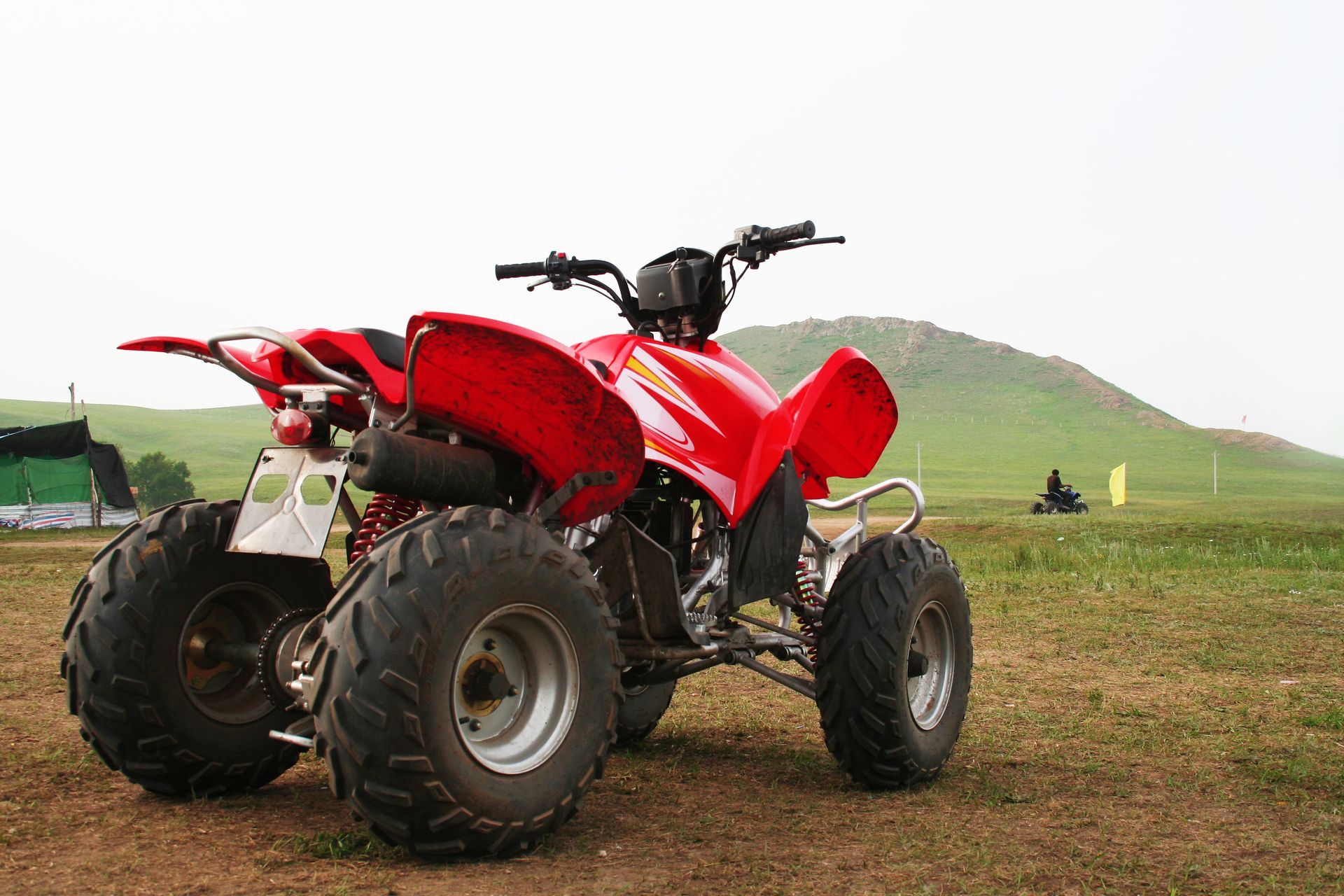
Owning an All-Terrain Vehicle (ATV) opens up a world of adventure, whether you use your machine for challenging trail rides, essential farm work, or navigating rugged backcountry. These vehicles are engineered to handle harsh conditions, but the high-stress environment of off-roading eventually takes a toll on even the most durable components. While many enthusiasts enjoy performing basic maintenance like oil changes or air filter cleanings, there is a definitive line between routine upkeep and the need for specialized technical expertise. Understanding the warning signs that your vehicle is struggling allows you to address mechanical issues before they lead to a total breakdown in the middle of the wilderness.
Modern ATVs are surprisingly complex machines that combine advanced suspension systems with high-output internal combustion engines. Because these vehicles often operate in dust, mud, and water, their systems are subjected to accelerated wear compared to standard road vehicles. Ignoring subtle changes in performance or unusual sounds can quickly turn a minor adjustment into a costly overhaul. By learning to interpret the physical and mechanical feedback your machine provides, you can determine when your DIY efforts have reached their limit and when it is time to seek out professional assistance to ensure your safety and the longevity of your investment.
Identifying Unusual Engine Noises and Vibrations
One of the most immediate indicators of mechanical distress is a change in the acoustic profile of your engine. A healthy four-wheeler should have a consistent, rhythmic idle and a smooth transition through the power band. If you begin to hear sharp metallic knocking, rhythmic clicking, or high-pitched squealing, these are signals that internal components are failing. Knocking sounds often point to issues with the piston, connecting rods, or crankshaft bearings, which are critical failures that can lead to a catastrophic engine seizure. Clicking or tapping noises usually suggest that the valve clearance is out of adjustment, a task that requires precision tools and specific technical data to correct.
Vibration is another tell-tale sign that something is amiss within the drivetrain or the engine itself. While all single-cylinder engines produce some vibration, a sudden increase in shaking can indicate a loose engine mount, a bent axle, or an imbalanced drive shaft. Excessive vibration not only makes the ride uncomfortable but also puts additional stress on the frame and electrical connections, potentially causing secondary failures. When these physical symptoms appear, they often require a teardown to diagnose the root cause. Attempting to "ride through" these noises often results in irreversible damage to the engine casing or internal gears, making professional diagnostics the most cost-effective path forward.
Observing Changes in Exhaust Color and Odor
The exhaust exiting your muffler is a window into the combustion process occurring inside your engine. Under normal operating conditions, the exhaust should be virtually invisible once the engine has reached its operating temperature. If you notice blue or grey smoke, it is a definitive sign that the engine is burning oil, likely due to worn piston rings or failing valve seals. Conversely, thick white smoke usually indicates that coolant is entering the combustion chamber, which is a symptom of a blown head gasket. This is a serious issue that requires immediate attention, as it can lead to overheating and warped engine components if left unaddressed.
Odor can be just as revealing as visual cues. A strong scent of raw gasoline while the engine is running suggests that the fuel system is leaking or that the carburetor or fuel injectors are malfunctioning. A sweet, syrupy smell indicates a coolant leak, while the smell of burning rubber often points to a slipping drive belt in the CVT system. These chemical indicators suggest that your vehicle is no longer operating within its designed parameters. Because fuel and cooling systems involve pressurized lines and flammable liquids, repairs in these areas are best left to those who specialize in small engine repairs to ensure that all seals and connections meet factory safety standards.
Detecting Performance Lag and Power Loss
A loss of power or a "bogging" sensation during acceleration is a common frustration for ATV owners, and the cause can range from a clogged fuel line to a loss of cylinder compression. If your machine feels sluggish or fails to reach the top speeds it once mastered, the engine is likely struggling to maintain the correct air-to-fuel ratio. In some cases, this is caused by a dirty carburetor that needs professional ultrasonic cleaning and synchronization. In fuel-injected models, a failing sensor or a clogged injector can cause the ECU to enter a "limp mode" to protect the engine, significantly reducing performance until the fault is cleared.
When an ATV bogs down under load or fails to climb hills that it previously handled with ease, it is often a sign of declining engine health. This loss of torque can stem from worn-out clutch plates or a drive belt that has glazed over and lost its grip. It could also indicate that the engine’s compression has dropped below a sustainable level due to internal wear. Diagnosing these performance issues involves specialized equipment like compression gauges and leak-down testers. Seeking out an expert for small engine repairs ensures that the technician can pinpoint exactly where the power loss is occurring, preventing you from wasting money on unnecessary parts that don't solve the core problem.
Recognizing Electrical Malfunctions and Starting Issues
Electrical issues are notoriously difficult for the average owner to diagnose because they often present as intermittent problems. If your ATV clicks when you press the starter button, or if the digital display flickers and resets, the electrical system is compromised. While a dead battery is the most common culprit, the issue could also lie with a failing starter solenoid, a bad stator, or a faulty voltage regulator. These components work in a delicate balance to keep the battery charged and the spark plug firing. Without a multimeter and a wiring diagram, finding a short circuit or a grounded wire in the complex harness can be a daunting and frustrating task.
The demand for specialized knowledge in this field is substantial, as these machines become more reliant on digital controls. There are over 20,950 small engine mechanics currently employed in the United States, according to Zippia. This specialized workforce is essential because of the nuanced nature of electronic diagnostics. Whether it is a fouled spark plug that won't fire or a complex sensor failure in the fuel injection system, these professionals have the diagnostic computers required to communicate with your machine’s brain. Entrusting your small engine repairs to a qualified shop prevents you from accidentally damaging expensive electronic control modules through improper testing or "guessing" at the solution.
Maintaining an ATV in peak condition is a continuous process that requires a combination of diligent owner care and professional technical support. By paying attention to the sounds, smells, and performance characteristics of your machine, you can catch minor issues before they transform into major mechanical disasters. At Lewis Small Engines LLC, we take great pride in helping our community keep their recreational and work vehicles running at their best. Our team is dedicated to providing high-quality small engine repairs that prioritize your safety and the reliability of your equipment. We believe that a well-maintained machine is the key to a great day on the trail, and we are here to provide the expertise and craftsmanship needed to keep you moving forward. When you partner with us for your small engine repairs, you can trust that our experience and dedication will ensure your ATV is ready for whatever challenge lies ahead.

















Share On: