
Essential Tips for Small Engine Repairs
Understanding the basics of small engine repairs can save both time and money while ensuring your equipment runs reliably. Small engines power many essential tools and vehicles in daily life, including lawnmowers, chainsaws, ATVs, and motorcycles. Proper maintenance and timely repairs can extend the lifespan of these engines and prevent costly replacements. In this article, we will explore essential tips to effectively diagnose, maintain, and repair small engines, helping both hobbyists and professionals improve performance and efficiency.
Understanding Small Engine Components
A small engine consists of various components that work together to produce power. Recognizing these key parts is crucial for understanding the overall operation of the engine and for diagnosing issues effectively. The cylinder and piston form the core of the engine, where fuel combustion generates mechanical movement. Proper operation of these components ensures smooth power output and overall engine performance.
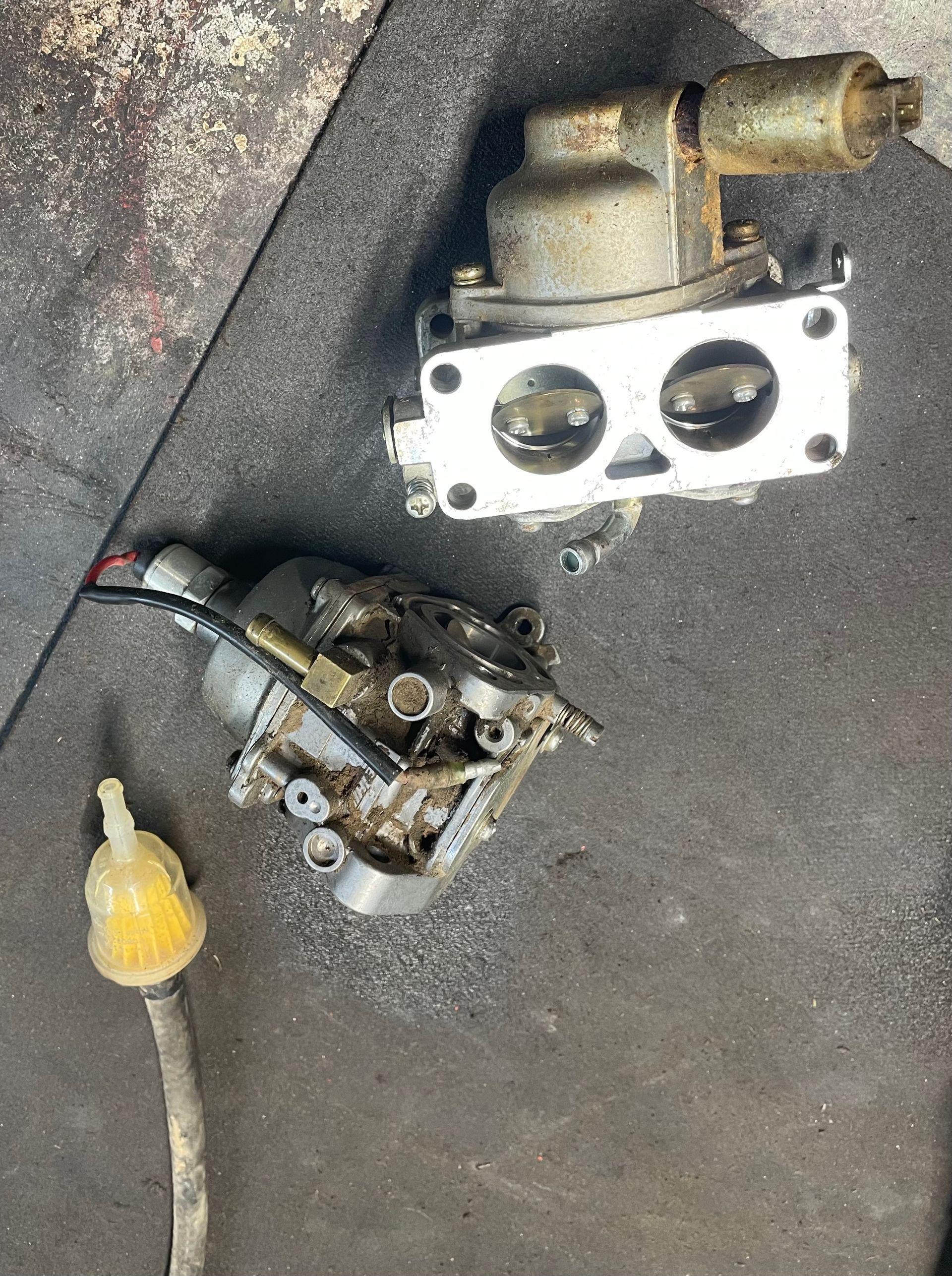
The carburetor plays a critical role by mixing air and fuel in precise proportions for combustion. Malfunctioning carburetors can lead to problems such as stalling, poor fuel efficiency, or difficulty starting. Regular cleaning, adjustment, and understanding the carburetors function are essential practices in small engine repairs.
The ignition system, which includes the spark plug, ignition coil, and other electrical components, initiates the combustion process. A weak or absent spark can prevent the engine from starting or running smoothly. Checking and maintaining the ignition system is a key step in any small engine repair routine, ensuring reliable operation.
The fuel system, comprising the fuel tank, fuel lines, and fuel filter, must be free of clogs and leaks. A malfunctioning fuel system can disrupt performance and cause engine damage. Regular inspection and maintenance of these components prevent common issues such as stalling or inefficient fuel combustion.
Air filters, though often overlooked, are vital in preventing dirt and debris from entering the engine. Clogged filters reduce airflow, causing poor combustion and lower engine power. Cleaning or replacing filters regularly is a simple yet effective part of small engine repairs, enhancing performance and longevity.
Basic Maintenance Practices for Small Engine Repairs
Routine maintenance is crucial to prolonging engine life and preventing costly repairs. Regular cleaning of the engine and its components removes dust, debris, and old oil that can contribute to wear and tear. Keeping the carburetor, air filter, and fuel system clean ensures optimal engine performance.
Changing engine oil and proper lubrication are essential for reducing friction and overheating. Use manufacturer-recommended oil types and change it at the prescribed intervals. Lubrication maintains smooth movement of engine components, supporting long-term durability and preventing premature failure.
Spark plugs play a vital role in igniting the air-fuel mixture. Over time, they may foul or wear out, affecting performance. Regular inspection and replacement of spark plugs ensure consistent engine operation. This small step is a cornerstone of routine small engine repairs.
Belts and blades, particularly in lawnmowers and chainsaws, must be checked for wear. Damaged or worn components reduce efficiency and can cause additional damage to the engine. Sharpening blades and replacing belts regularly contributes to effective operation and safer use of the equipment.
Maintaining the fuel system by cleaning the tank, lines, and filters prevents blockages and ensures consistent engine performance. Regular checks for leaks or degraded fuel lines help avoid stalling and other preventable issues. Overall, basic maintenance is the foundation of successful small engine repairs.
Troubleshooting Common Small Engine Problems
One frequent issue is failure to start, which may be caused by stale fuel, a faulty spark plug, or carburetor issues. Check fuel quality, inspect the ignition system, and ensure the carburetor is functioning properly. Most starting problems can be resolved through careful inspection and basic troubleshooting techniques.
Engines that run rough may indicate a dirty carburetor, clogged air filter, or worn spark plugs. Cleaning, adjusting, and replacing these components can restore smooth operation. Identifying and addressing the root cause is critical for reliable small engine repairs.
Excessive smoke from the exhaust may signal fuel or oil issues. White or blue smoke often points to oil leaks, while black smoke suggests a rich fuel mixture. Investigate the fuel and oil systems, adjust carburetor settings, and address leaks promptly to prevent long-term engine damage.
Strange noises or vibrations can indicate loose or damaged components. Inspect belts, blades, bolts, and other mechanical parts. Tightening or replacing worn components prevents further damage and ensures smoother operation.
Overheating is a serious concern that can lead to major engine damage. Causes include insufficient lubrication, clogged filters, or a faulty thermostat. Regular inspection and maintenance of these components prevent overheating, safeguarding engine longevity.
Using the Right Tools for Small Engine Repairs
Effective small engine repairs require the right hand tools, such as wrenches, screwdrivers, and pliers in various sizes. These allow access to tight spaces and make maintenance easier. Well-maintained tools provide years of reliable service.
Power tools, including drills, impact wrenches, and rotary tools, increase efficiency in repairs. High-quality power tools save time, reduce effort, and enable more precise work on small engines.
Diagnostic equipment like multimeters and engine kits can accurately identify issues not apparent through visual inspection. Using these tools streamlines troubleshooting and ensures more precise small engine repairs.
Safety gear, including gloves, eye protection, and hearing protection, is crucial for preventing injuries during repair work. Prioritizing safety allows repairs to be conducted efficiently and confidently.
Invest in reputable tools from trusted vendors. Quality tools last longer, offer reliability, and often come with warranties or customer support, ensuring long-term value for small engine repair enthusiasts.
When to Seek Professional Small Engine Repairs
Some engine problems require professional attention, especially complex electrical issues or major mechanical damage. A professional repair shop possesses specialized tools and knowledge, often making repairs faster and more effective. Attempting these repairs without expertise can cause further damage and higher costs.
Professional repairs can be cost-effective over DIY attempts, as they prevent recurring issues and ensure the problem is solved correctly the first time. Specialists also have access to parts and equipment not readily available to most consumers, streamlining the repair process.
Consult warranty and service agreements before attempting repairs. DIY work can void warranties, leading to additional costs. Using professional services ensures proper handling while preserving warranty coverage.
Reliable repair shops, with certified technicians and positive reviews, provide peace of mind. Building a relationship with a trusted shop can ensure consistent quality service and expert advice for ongoing small engine repairs.
Professionals can offer tips, insights, and solutions to recurring problems, enhancing your knowledge and skills. Learning from experts improves confidence and equips you to tackle future small engine issues more effectively.
Resources and Education for Small Engine Repairs
Online tutorials and courses provide step-by-step guidance for small engine repairs, with videos making complex tasks easier to understand. Platforms offering beginner to advanced lessons can greatly expand your repair knowledge.
Manufacturer manuals are invaluable for understanding specific engine components, specifications, and maintenance schedules. These guides provide troubleshooting instructions, enhancing your ability to perform repairs correctly.
Community forums and support groups allow users to exchange tips and experiences. Engaging in these networks offers practical solutions, advice, and insights from other small engine enthusiasts.
Local workshops and hands-on classes provide practical experience in engine repair. Interacting with instructors and peers allows learners to develop skills and confidence for performing effective repairs.
Books and specialized publications offer in-depth coverage of engine mechanics, maintenance, and troubleshooting techniques. A combination of printed and digital resources ensures comprehensive understanding of small engine repairs.
Successfully performing small engine repairs requires a blend of knowledge, practical skills, and proper tools. By understanding engine components, adhering to maintenance practices, troubleshooting effectively, and knowing when to seek professional help, most small engine issues can be addressed efficiently. Ongoing education and leveraging available resources further enhance repair skills, ensuring engines remain in optimal condition. According to Global Market Insights, the ATV market size was $2.9 billion in 2023, highlighting the growing importance of small engines across industries and recreational activities. Proper maintenance and repair not only extend engine life but also ensure reliability and performance across a variety of equipment. For expert guidance and professional small engine repairs, contact Lewis Small Engines LLC today to keep your equipment running at its best.


















Share On: